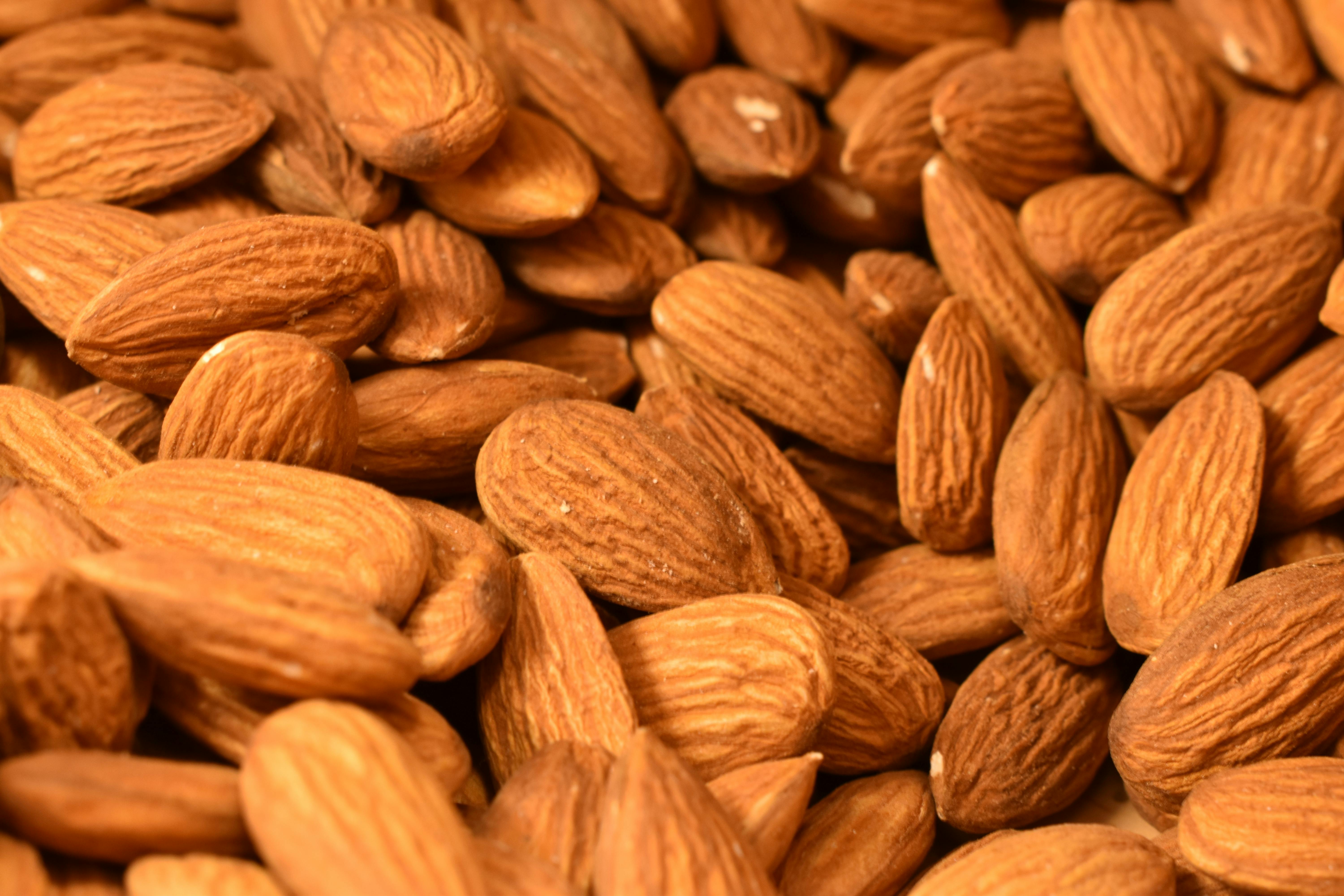
Vitamin E
Tocopherols & Tocotrienols
Key Benefits
Antioxidant Protection
Protects cell membranes, especially in red blood cells and lungs, from oxidative stress.
Cardiovascular Support
May reduce oxidation of LDL cholesterol, supporting heart health.
Immune Function
Enhances immune response, particularly in older adults.
Activation Synergies
Vitamin C regenerates oxidized vitamin E, extending its antioxidant activity and creating a synergistic protective network.
Selenium and vitamin E work together as complementary antioxidants, protecting against oxidative stress through different mechanisms.
Vitamin E protects omega-3 fatty acids from oxidation, preserving their anti-inflammatory and cardiovascular benefits.
Recommended Dosage
medical_servicesNatural mixed tocopherols (d-alpha) are more bioactive than synthetic (dl-alpha). Take with fats for absorption. High doses may interfere with blood clotting.
Deficiency Indicators
- Muscle weakness
- Vision problems
- Weakened immunity
- Nerve damage (rare)
Scientific Citations
Vitamin E Fact Sheet
Research & Sources
What the evidence says — with links to the original studies
Vitamin E (alpha-tocopherol) is an essential fat-soluble antioxidant, but frank dietary deficiency is rare in healthy people and is seen mainly with fat-malabsorption disorders. The established, evidence-backed clinical role is narrow: as one component of the AREDS/AREDS2 antioxidant-plus-zinc formulation, high-dose vitamin E helps slow progression to advanced age-related macular degeneration (AMD) in people at high risk. Beyond this, routine supplementation for the general population is not supported and is contested on safety grounds. A landmark 2005 meta-analysis (Miller et al., Annals of Internal Medicine, 19 trials, ~136,000 participants) found that high-dose supplementation (>=400 IU/day) may increase all-cause mortality, with excess risk appearing above ~150 IU/day. The large SELECT randomized trial (Klein et al., JAMA 2011) found no prostate-cancer benefit and, on extended follow-up, a statistically significant 17% increase in prostate cancer risk among men taking vitamin E. A key bioavailability distinction is well established: natural RRR/d-alpha-tocopherol has roughly twice the biological activity of synthetic all-rac/dl-alpha-tocopherol by weight (~2:1). High doses can also impair blood clotting and raise bleeding/hemorrhagic-stroke risk, especially alongside anticoagulant or antiplatelet drugs. Overall the evidence supports meeting needs through diet and reserving high-dose vitamin E for specific indications like AREDS-eligible AMD, while cautioning against routine high-dose supplementation.
Supporting Evidence
Authoritative reference. RDA 15 mg/day (adults), Tolerable Upper Intake Level 1,000 mg/day. States frank deficiency is rare except in fat-malabsorption disorders. Documents ~2:1 natural (RRR/d-alpha) vs synthetic (all-rac/dl-alpha) bioavailability. Summarizes AREDS eye benefit, SELECT prostate cancer signal, mortality meta-analyses, and bleeding/anticoagulant cautions.
Landmark RCT. Antioxidant formulation containing 400 IU vitamin E (dl-alpha-tocopheryl acetate) plus vitamin C, beta carotene, and zinc reduced progression to advanced AMD by ~25% in high-risk participants. Basis for the AREDS supplement recommendation.
Long-term follow-up confirming the durable benefit of the AREDS antioxidant/zinc formulation in slowing advanced AMD, supporting the eye-specific role of high-dose vitamin E within the combination.
Institutional summary of AREDS and AREDS2 findings and current supplement formulation guidance, contextualizing vitamin E's role only within the combination for at-risk AMD patients, not as standalone prevention.
Clinician-oriented reference confirming rare deficiency, limited evidence for routine high-dose supplementation, and bleeding-risk caution with anticoagulants. Consumer/reference source, not primary research.
Opposing / Critical Views
Pooled 19 RCTs (~135,967 participants). Found dose-dependent increase in all-cause mortality above ~150 IU/day; at >=400 IU/day approximately 39 additional deaths per 10,000 persons. Concluded high-dose (>=400 IU/day) vitamin E should be avoided. Limitations: most participants had chronic disease; clinical heterogeneity. Open-access summary at NCBI DARE, https://www.ncbi.nlm.nih.gov/books/NBK72264/
SELECT enrolled 35,533 healthy men. Vitamin E (400 IU/day) provided no cancer benefit and, on extended follow-up, was associated with a statistically significant 17% increased risk of prostate cancer (HR 1.17; P=0.008), with the signal emerging after ~3 years.
Original SELECT report. Vitamin E and/or selenium did not prevent prostate cancer in healthy men; trial supplementation was stopped early for lack of efficacy, with a non-significant early trend toward more prostate cancer in the vitamin E arm later confirmed as significant on longer follow-up.
Full-text & official documents
Educational summary of published research — not medical advice. Consult a qualified professional before supplementing.
Have You Tried This?
Join our collective laboratory. Share your experience level with this topic and help others gauge the journey.
Based on .
No one has shared yet. Be the first to place a pin on the map.
check_circle You marked yourself as .
Status: In Your Stack Status: Not in Stack