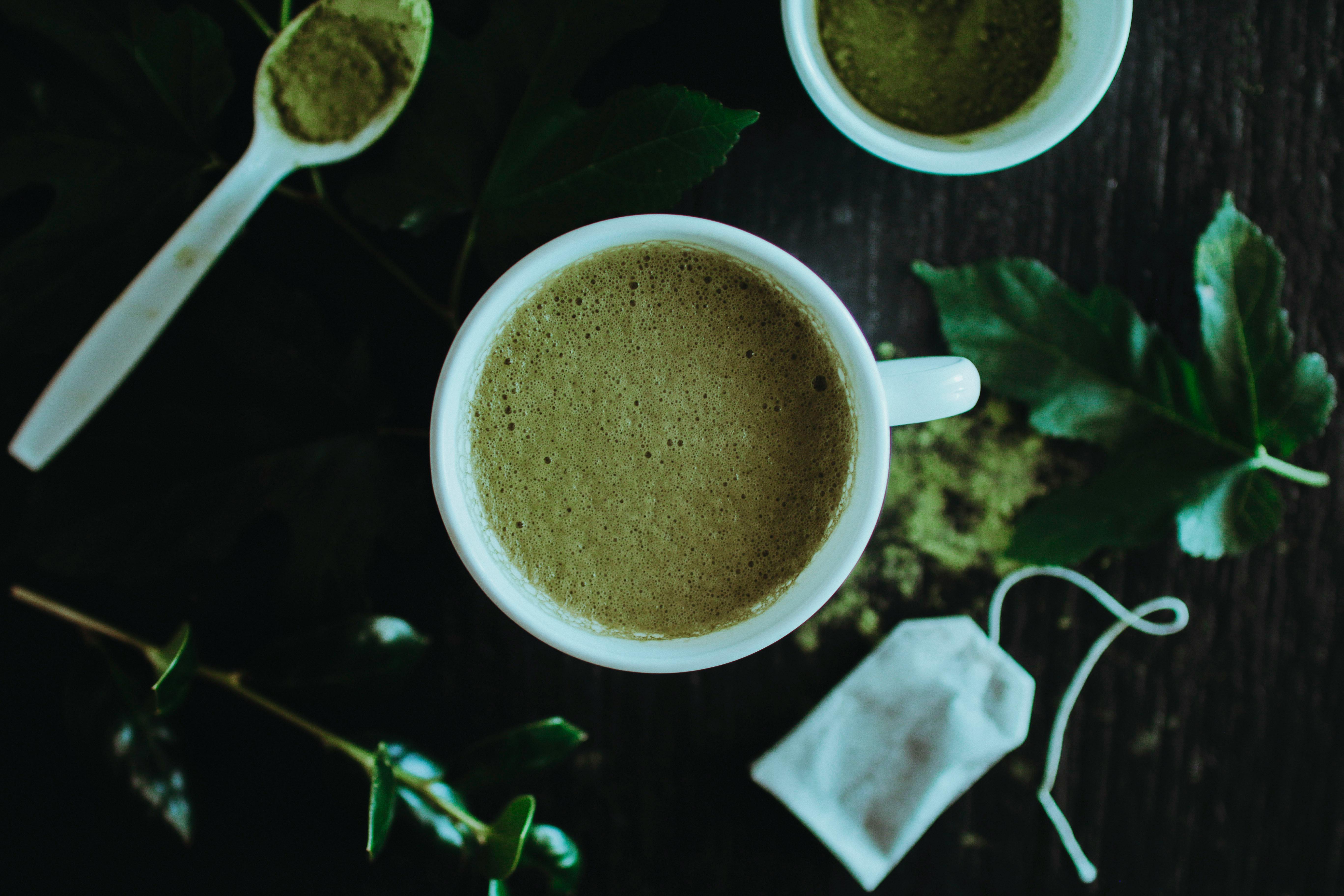
L-Theanine
L-Theanine
Key Benefits
Relaxed Alertness
Increases alpha brain waves, promoting calm focus without drowsiness.
Anxiety Reduction
Reduces anxiety and stress response without impairment.
Sleep Quality
Promotes relaxation and may improve sleep quality when taken before bed.
Activation Synergies
L-Theanine smooths caffeine stimulation, reducing jitters while maintaining focus and alertness.
Recommended Dosage
medical_servicesCan be taken any time. Pairs well with caffeine (2:1 ratio, e.g., 200mg L-Theanine with 100mg caffeine) for smooth, focused energy without jitters.
Deficiency Indicators
- Caffeine-induced jitters or anxiety
- Difficulty relaxing
- Racing thoughts
Scientific Citations
Theanine: Research Summary
Research & Sources
What the evidence says — with links to the original studies
L-theanine (γ-glutamylethylamide), a non-protein amino acid found almost exclusively in tea, is one of the better-studied nootropic/relaxation supplements, with dozens of randomized controlled trials and several systematic reviews and meta-analyses in humans. The most consistent, well-replicated findings are for acute effects: a single dose of roughly 100-250 mg promotes a state of calm alertness ('relaxation without sedation'), increases occipital/frontal alpha-band EEG and MEG activity, and modestly blunts acute stress-reactivity markers such as salivary cortisol. Combined with caffeine (commonly ~100 mg L-theanine + ~50 mg caffeine), it reliably improves attention, target discrimination and reaction time while reducing caffeine-related jitter. A 2026 meta-analysis of 31 RCTs (n=1,168) found a 200 mg dose significantly improved choice reaction time/attention and reduced depressive symptoms after single dosing, with a modest effect on acute stress but inconsistent, largely non-significant effects on anxiety. Evidence for sleep is positive but weaker: a 2025 Sleep Medicine Reviews meta-analysis (18 studies, N=897) found small-to-moderate improvements in subjective sleep quality, sleep-onset latency and daytime dysfunction, though most trials used combination products rather than pure L-theanine. Chronic supplementation (e.g., 200 mg/day for 4 weeks) has shown benefits for stress, sleep and executive function in one Nutrients RCT, but long-term cognitive benefit is not established. Typical studied doses are 100-400 mg/day; L-theanine is generally well tolerated with an excellent safety profile, and holds GRAS status in the US. Overall consensus is moderate: robust for acute relaxation/alpha activity, attention (especially with caffeine) and safety; emerging and mixed for anxiety, chronic effects and standalone sleep benefit.
Supporting Evidence
31 RCTs, n=1,168. A 200 mg dose significantly improved choice reaction time/attention 30-60 min post-dose and reduced depressive symptoms after single dosing; acute stress reduction was modest, anxiety effects inconsistent/non-significant; no serious adverse events. Paywalled but the definitive recent synthesis.
Double-blind, placebo-controlled crossover, 30 healthy adults, 200 mg/day for 4 weeks. Reduced depression and trait-anxiety scores, improved sleep latency/disturbance and verbal fluency/executive function; strongest gains in lower-baseline performers. Open access (CC BY).
Single 200 mg dose significantly increased frontal alpha power (marker of relaxation) at 3 h and reduced salivary cortisol at 1 h vs placebo; safe and well tolerated. Open access.
~100 mg L-theanine + ~50 mg caffeine reduced tonic alpha and improved attention (better target discrimination, reduced distraction) on a visual attention task vs placebo. Landmark study for the theanine+caffeine attention synergy.
L-theanine-based drink reduced subjective stress response to a cognitive stressor and modulated resting-state alpha oscillations on magnetoencephalography (MEG), supporting a relaxation-without-sedation mechanism. Open access.
18 studies in meta-analysis, N=897. Significant improvements in subjective sleep quality (SMD=0.43), sleep-onset latency (SMD=0.15) and daytime dysfunction (SMD=0.33). Effects small-to-moderate; most trials used combination products, so pure-L-theanine evidence remains limited.
Opposing / Critical Views
Cautious appraisal: L-theanine shows short-term effects on attention and relaxation but does not appear to improve cognitive function long-term. Most evidence is single-dose; chronic benefits and dementia-relevant effects are unproven, and one study found theanine partly attenuated caffeine's benefits. Tempers claims of durable cognitive enhancement.
Full-text & official documents
- download Molecular Psychiatry (2026) - Cognitive and affective effects of L-Theanine: systematic review and meta-analysis of 31 randomized trials
- download Nutrients (2019) - L-Theanine on stress-related symptoms and cognitive functions: RCT (open access, PMC)
- download Neurology and Therapy (2021) - Single-dose AlphaWave L-Theanine on stress: triple-blind RCT (open access)
Educational summary of published research — not medical advice. Consult a qualified professional before supplementing.
Have You Tried This?
Join our collective laboratory. Share your experience level with this topic and help others gauge the journey.
Based on .
No one has shared yet. Be the first to place a pin on the map.
check_circle You marked yourself as .
Status: In Your Stack Status: Not in Stack