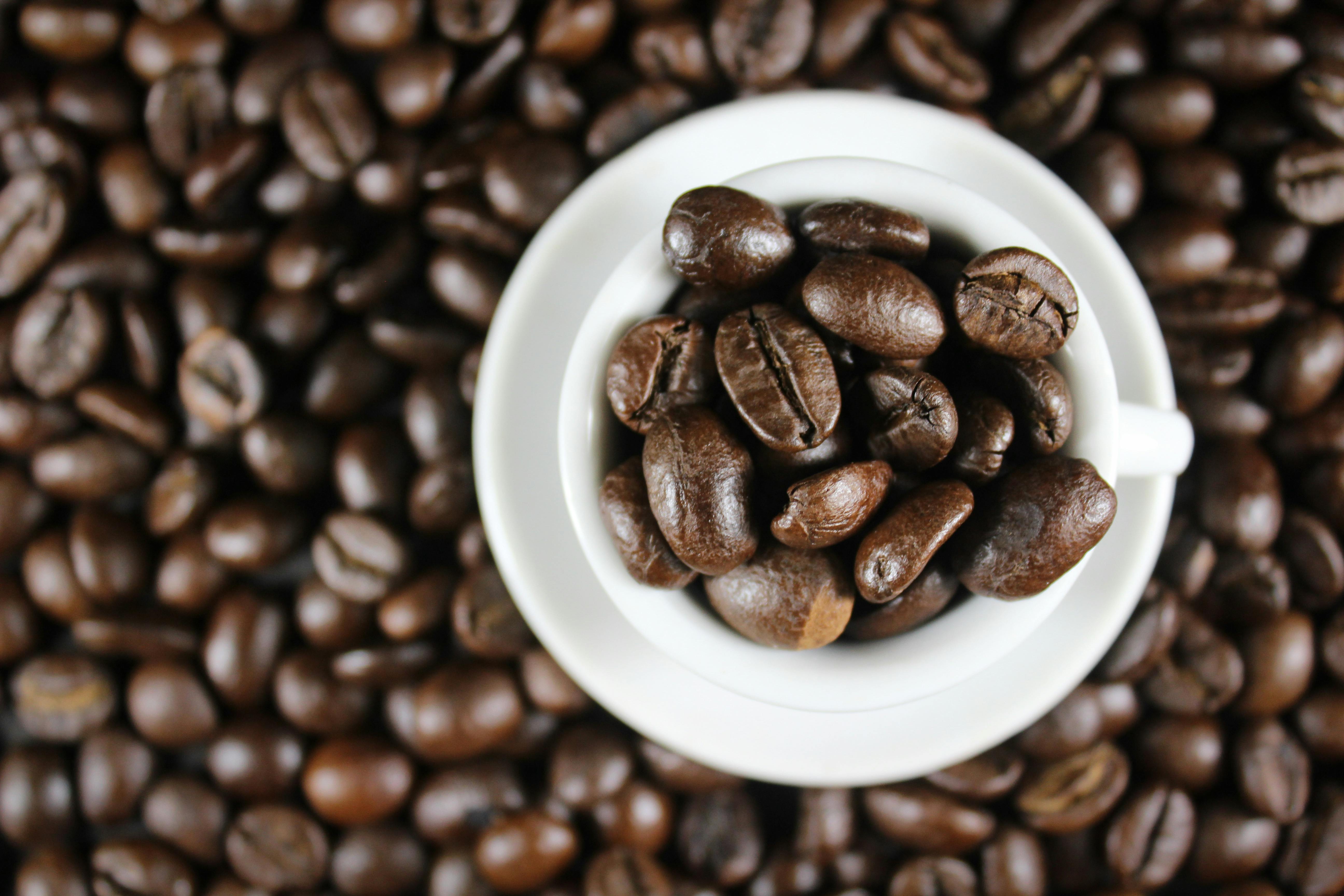
Caffeine
1,3,7-trimethylxanthine
Key Benefits
Alertness & Focus
Increases vigilance, attention, and reaction time by blocking adenosine and enhancing dopamine and norepinephrine activity. Effective even at low doses (75mg).
Cognitive Performance
Improves working memory consolidation, sustained attention, and mental stamina. Particularly effective against fatigue and sleep deprivation.
Physical Performance
Enhances aerobic endurance, muscular strength, power output, and reduces perceived exertion. Effective across endurance and high-intensity exercise.
Neuroprotection
Regular moderate intake associated with reduced risk of cognitive decline, Parkinson's, and Alzheimer's disease in observational studies.
Activation Synergies
L-Theanine (100-200mg) smooths caffeine stimulation, reducing jitters and anxiety while maintaining focus. 2:1 ratio (e.g., 200mg L-Theanine + 100mg caffeine) provides calm, focused energy.
Recommended Dosage
medical_servicesFDA safe limit: 400mg/day for adults (~4 cups coffee). Cognitive benefits: 40-200mg taken 30-60 min before tasks. Exercise: 3-6 mg/kg body weight 60 min pre-workout (typically 200-400mg). Tolerance develops within 1-4 days—cycle off periodically or use strategically. Avoid within 6 hours of sleep. Start low (50-100mg) to assess sensitivity. Pregnant women: limit to 200mg/day.
Deficiency Indicators
- Chronic fatigue or low energy
- Difficulty concentrating or staying alert
- Poor exercise performance or motivation
- Morning sluggishness despite adequate sleep
Scientific Citations
Caffeine: Research Summary
Caffeine: Pharmacology & Clinical Effects
ISSN Position Stand: Caffeine and Exercise Performance
Research & Sources
What the evidence says — with links to the original studies
Caffeine is one of the most robustly evidenced ergogenic and cognitive aids in nutrition science. Meta-analyses consistently show it improves alertness, attention, reaction time and exercise performance at moderate doses (3-6 mg/kg), and the EFSA has issued an official safety opinion defining tolerable intakes (up to 400 mg/day for adults, 200 mg per single dose, 200 mg/day in pregnancy). Well-documented downsides are dose-dependent sleep disruption and anxiety, particularly above 400 mg/day or when consumed close to bedtime. The L-theanine + caffeine combination shows small-to-moderate additional attention benefits but evidence is more modest.
Supporting Evidence
Caffeine consistently improves exercise performance at 3-6 mg/kg; most consistent moderate-to-large benefits for aerobic endurance, small-to-moderate for strength, power, sprinting. Acts via CNS adenosine antagonism and reduced perceived exertion.
31 randomized double-blind placebo-controlled trials, 1,455 participants. Modest but significant improvements in accuracy (g=0.27) and reaction time (g=0.28). Doses >=200 mg gave greater benefit; effect independent of habitual use.
Significant effects of low-to-moderate caffeine doses on attention, accuracy and speed, plus self-reported energy, mood and alertness before/during exercise.
Official EU risk-assessment: single doses up to 200 mg and habitual intakes up to 400 mg/day do not raise safety concerns for healthy adults; pregnant/lactating women up to 200 mg/day; children/adolescents 3 mg/kg/day.
50 RCTs (15 meta-analyzed). L-theanine + caffeine showed small-to-moderate benefit vs placebo for attention in the second hour post-intake; overall effects modest with wide confidence intervals.
Opposing / Critical Views
Caffeine reduced total sleep time ~45 min and sleep efficiency 7%, increased onset latency 9 min; dose- and timing-dependent (a coffee should be taken >=8.8 h and a pre-workout >=13.2 h before bed).
8 studies, 546 participants. Caffeine significantly increased anxiety (SMD=0.94); dose-dependent, with high doses (>=400 mg) a much larger effect (SMD=2.86). Recommends not exceeding 400 mg/day.
Full-text & official documents
Educational summary of published research — not medical advice. Consult a qualified professional before supplementing.
Have You Tried This?
Join our collective laboratory. Share your experience level with this topic and help others gauge the journey.
Based on .
No one has shared yet. Be the first to place a pin on the map.
check_circle You marked yourself as .
Status: In Your Stack Status: Not in Stack